Archviz AI Studio
Abstract
An AI workspace built by architects, for architects, to end the nightly Rhino → Illustrator → Photoshop export loop. Streams Rhino viewports straight into generative pipelines, auto-builds exploded diagrams and story panels, and trains custom LoRA models on your own past diagrams — turning hours of representation work into minutes. Developed with Rania Chihaoui at IAAC's MaCAD.
Context / Problem
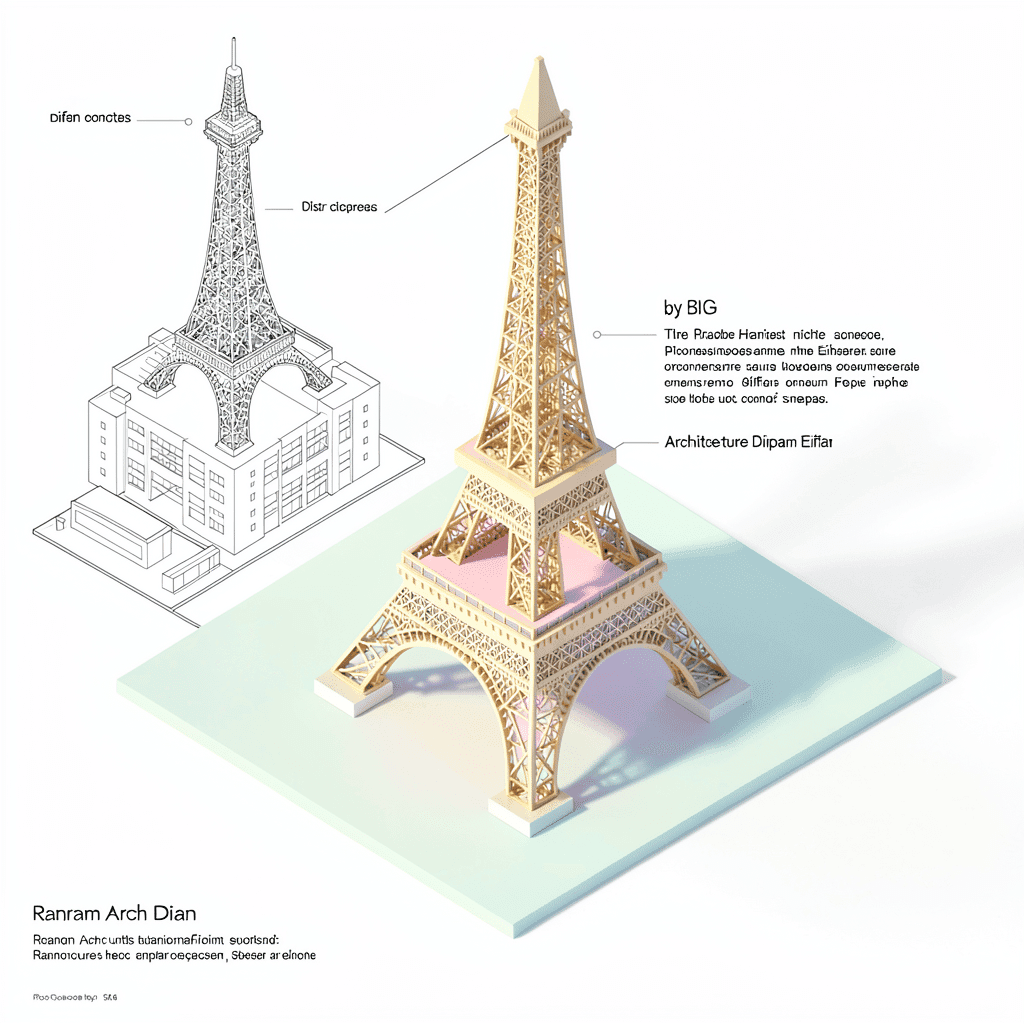
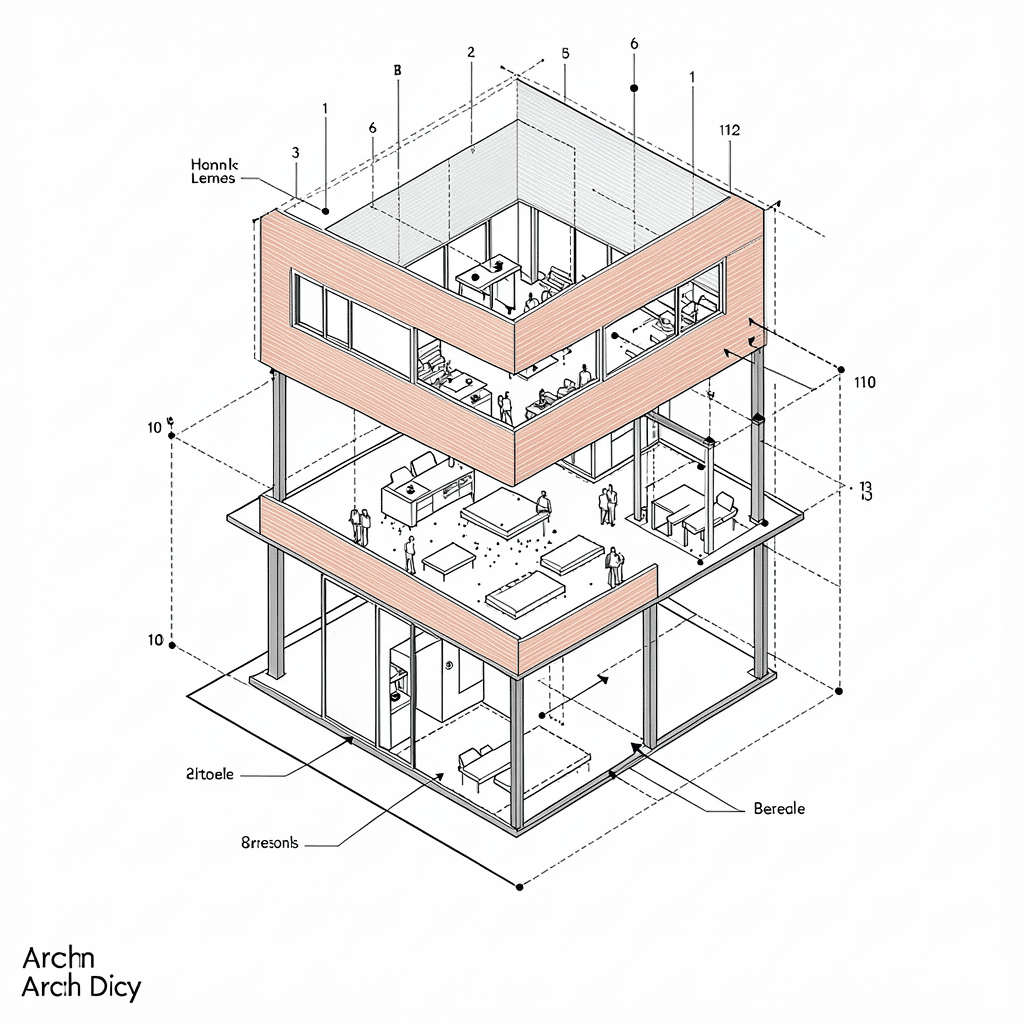
Architectural representation is stuck in an exhausting nightly loop: exporting from Rhino, tweaking vectors in Illustrator, and heavy post-processing in Photoshop — right up until the competition deadline. Generic image-generation models don't help either, since they fail to reproduce the discipline's own visual language of axonometrics, exploded diagrams, and section perspectives.
Built during the MaCAD 2025/26 Generative AI course at IAAC's Master in Advanced Computation for Architecture and Design, with Rania Chihaoui under instructors James McBennett and Aymeric Brouez, RanRam Studio is an AI workspace designed strictly by architects, for architects — so the team could actually finish their work and go home on time.
Methodology
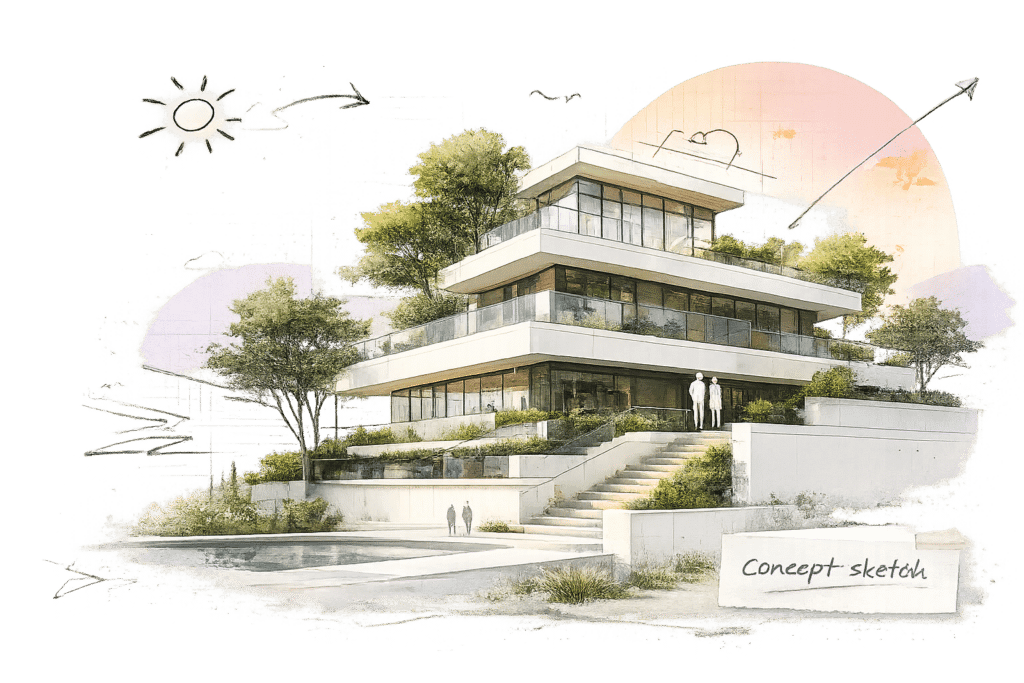
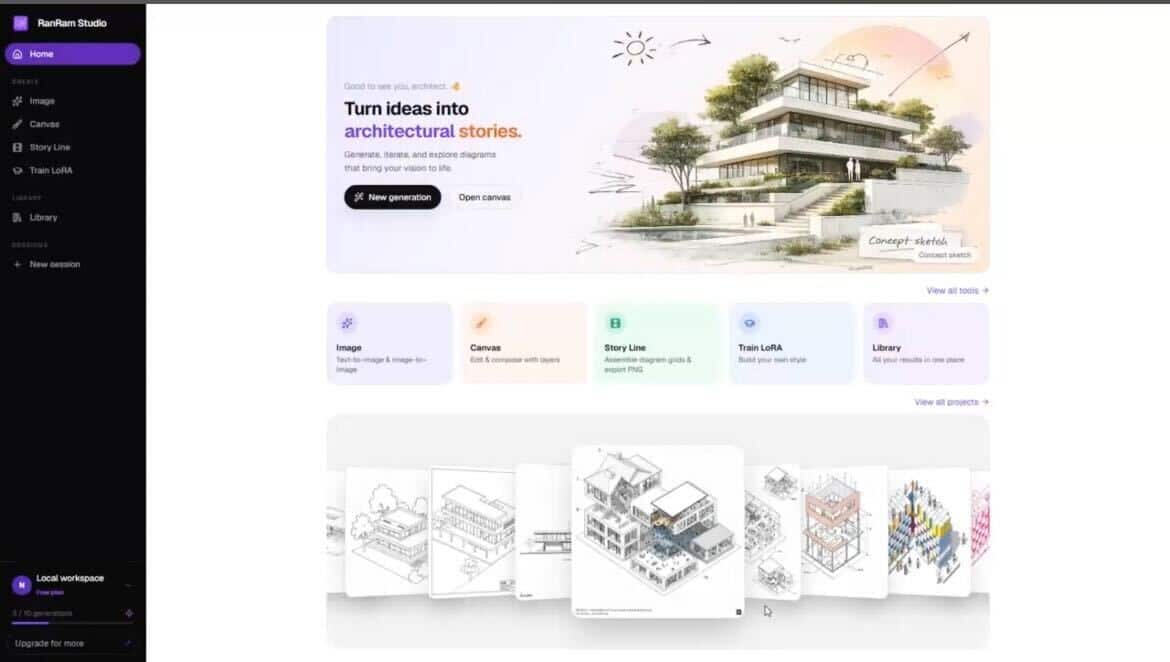
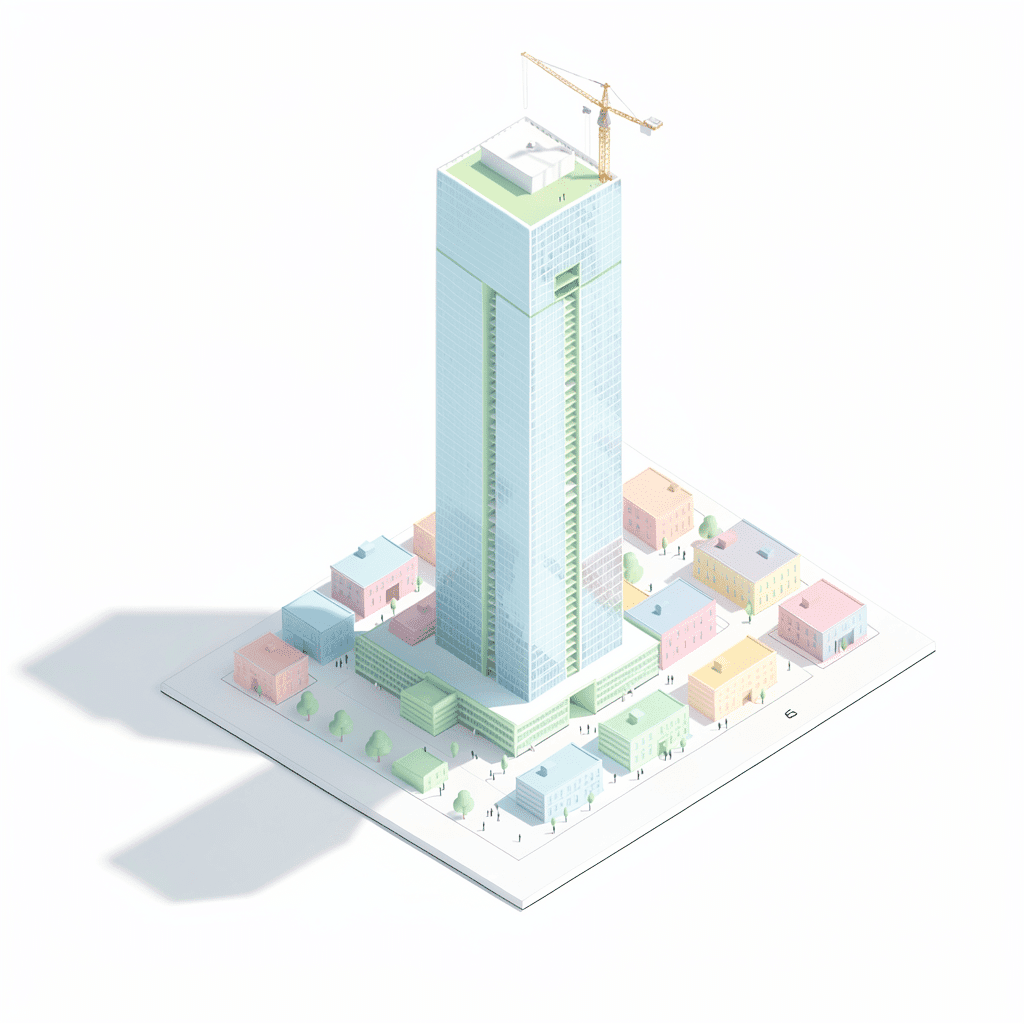
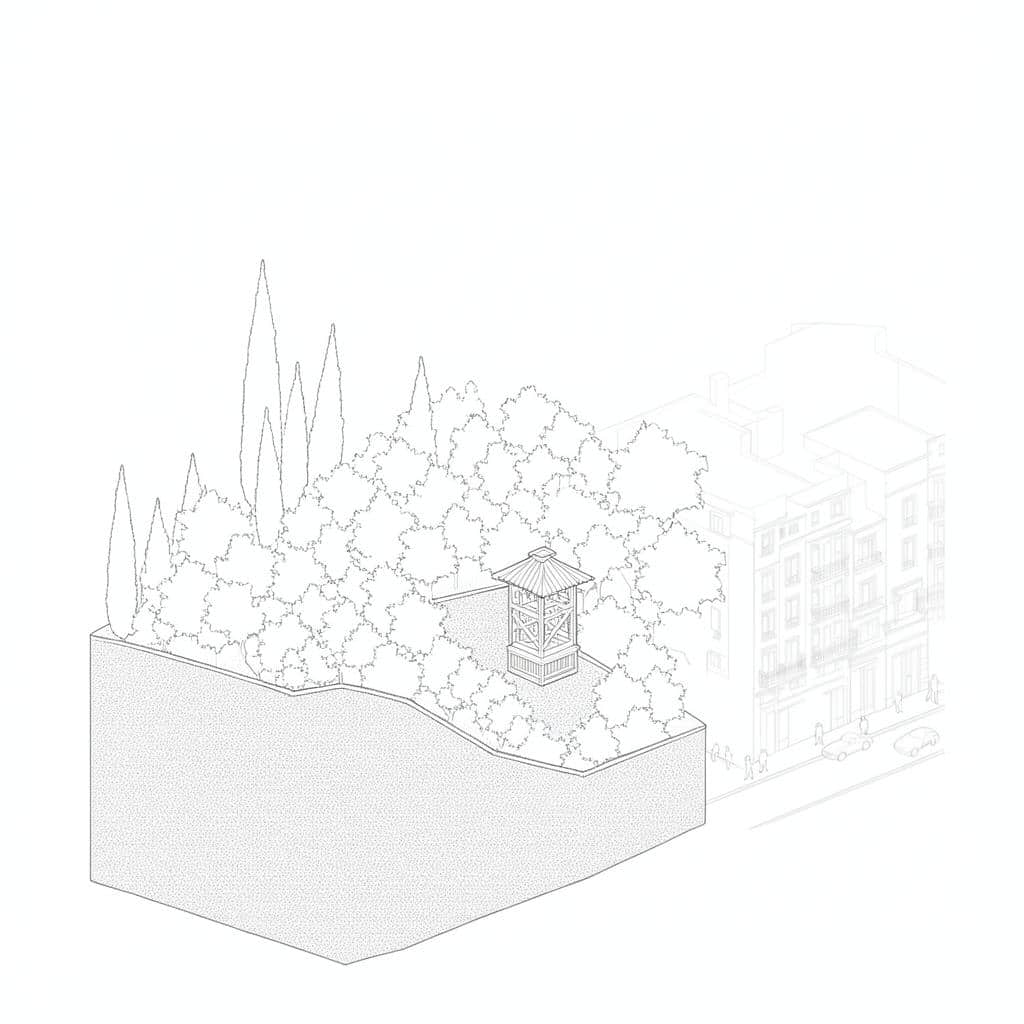
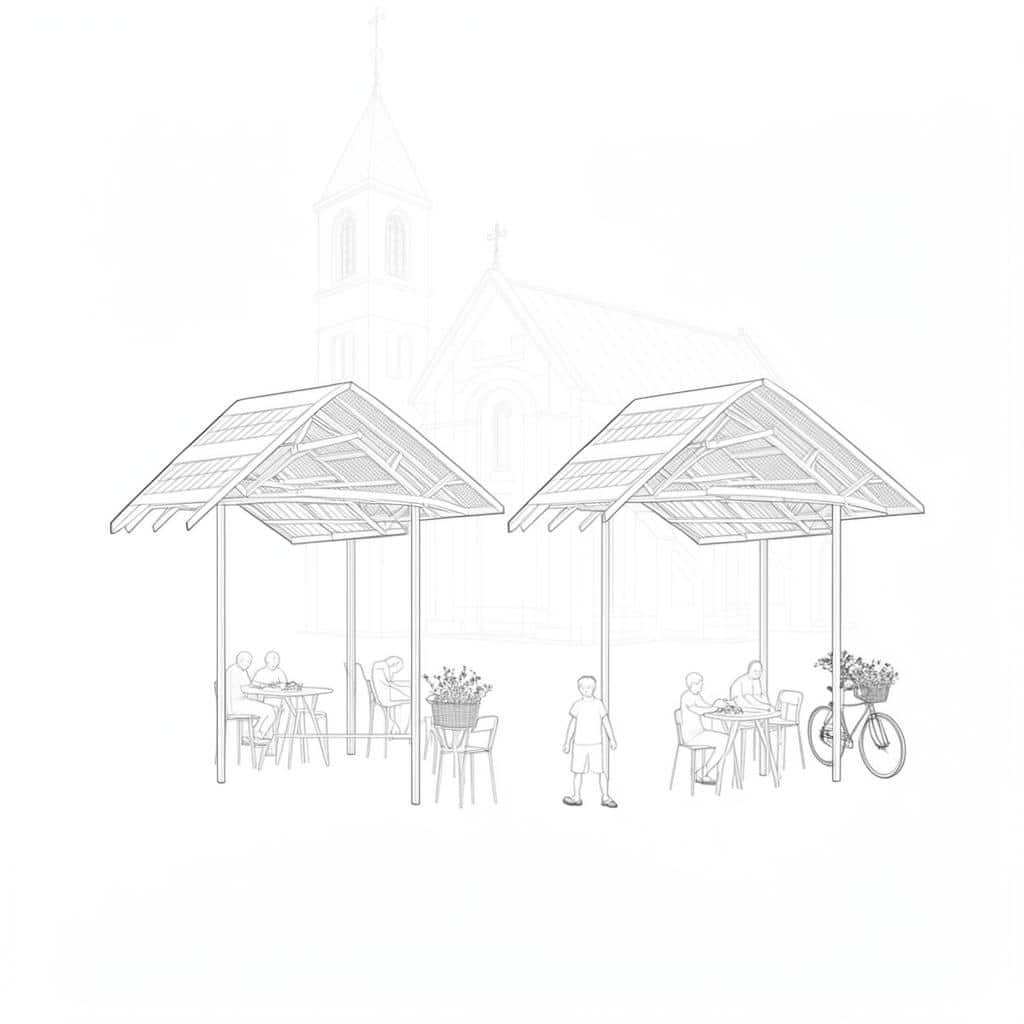
The platform is organized around five tools. Image Generation & Rhino Integration turns text prompts into concept sketches or construction drawings, with a Rhino Viewport Bridge that streams the 3D massing directly into the platform as a structural baseline for AI generations. The Canvas lets you paint over any area of a generated image and describe the edit in text — adding scale figures, trees, or context buildings without breaking the existing style.
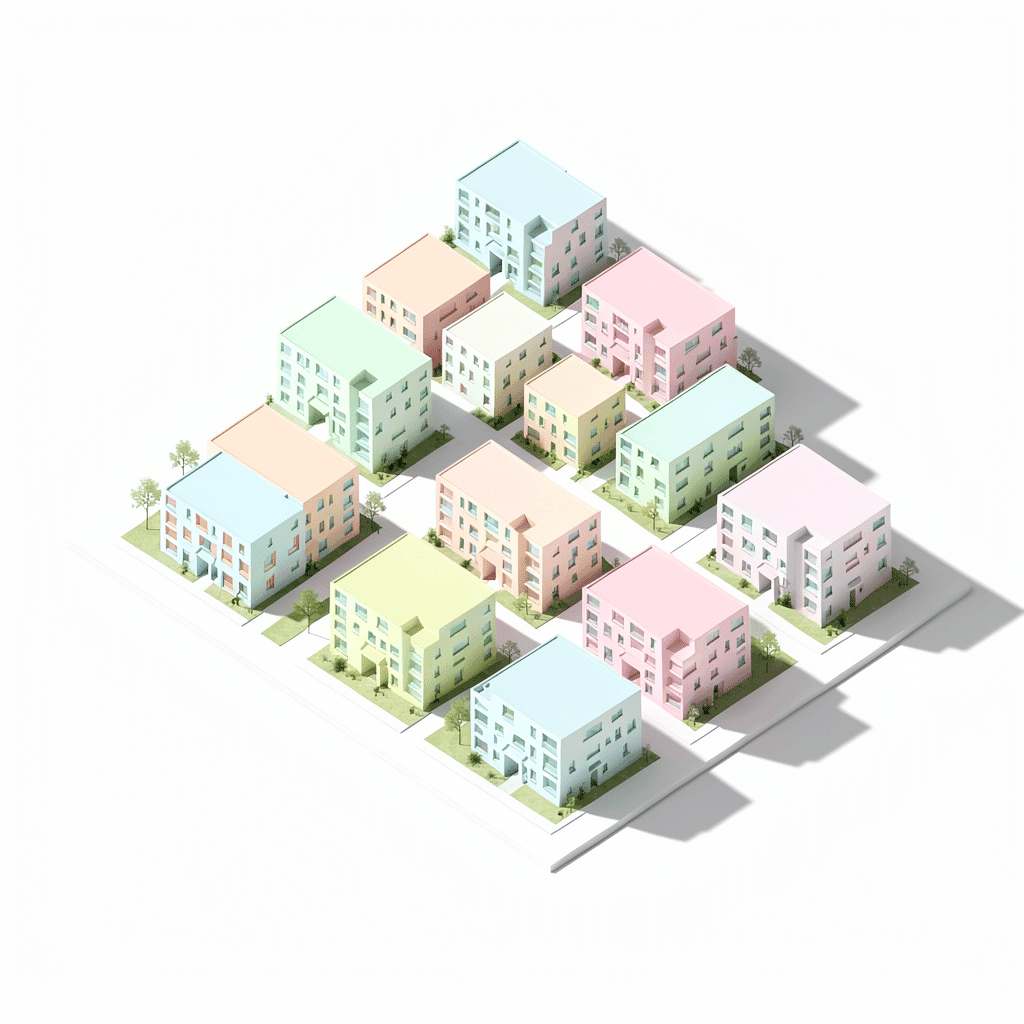
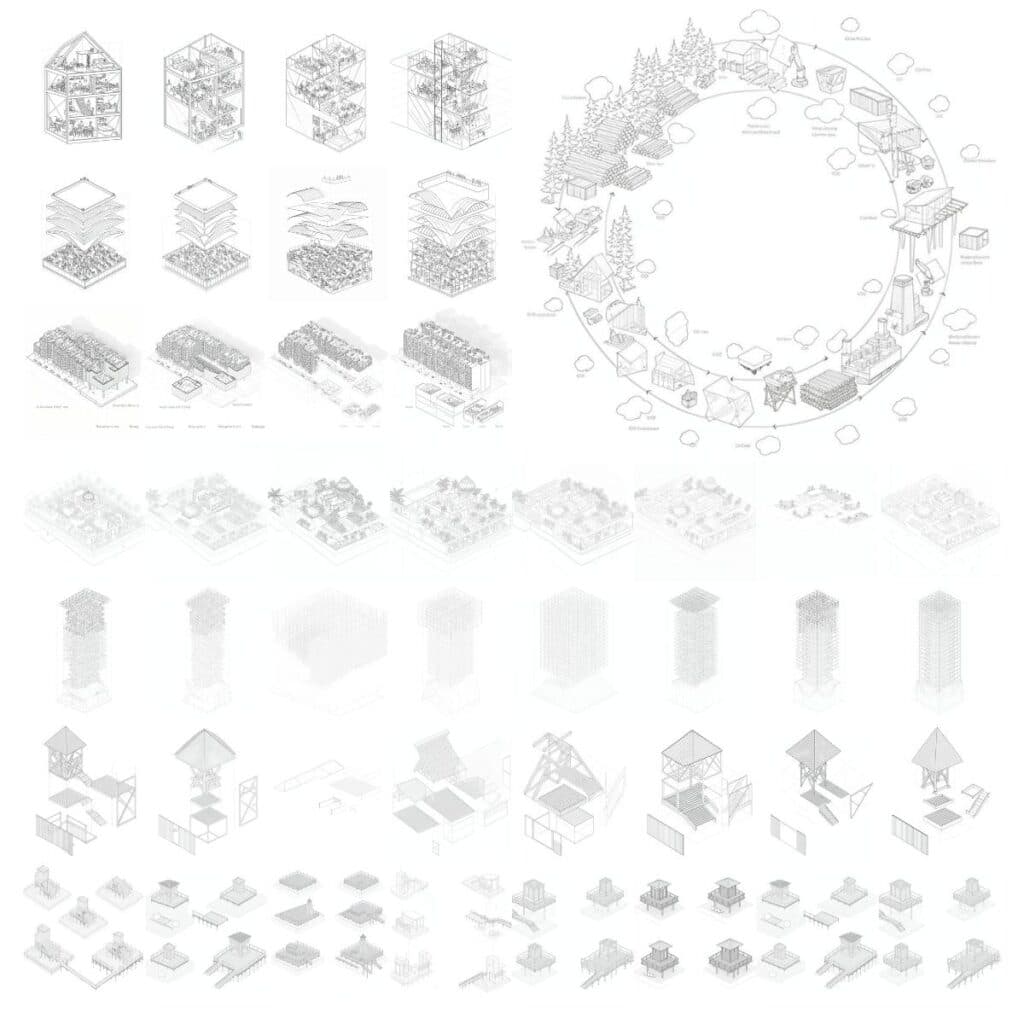
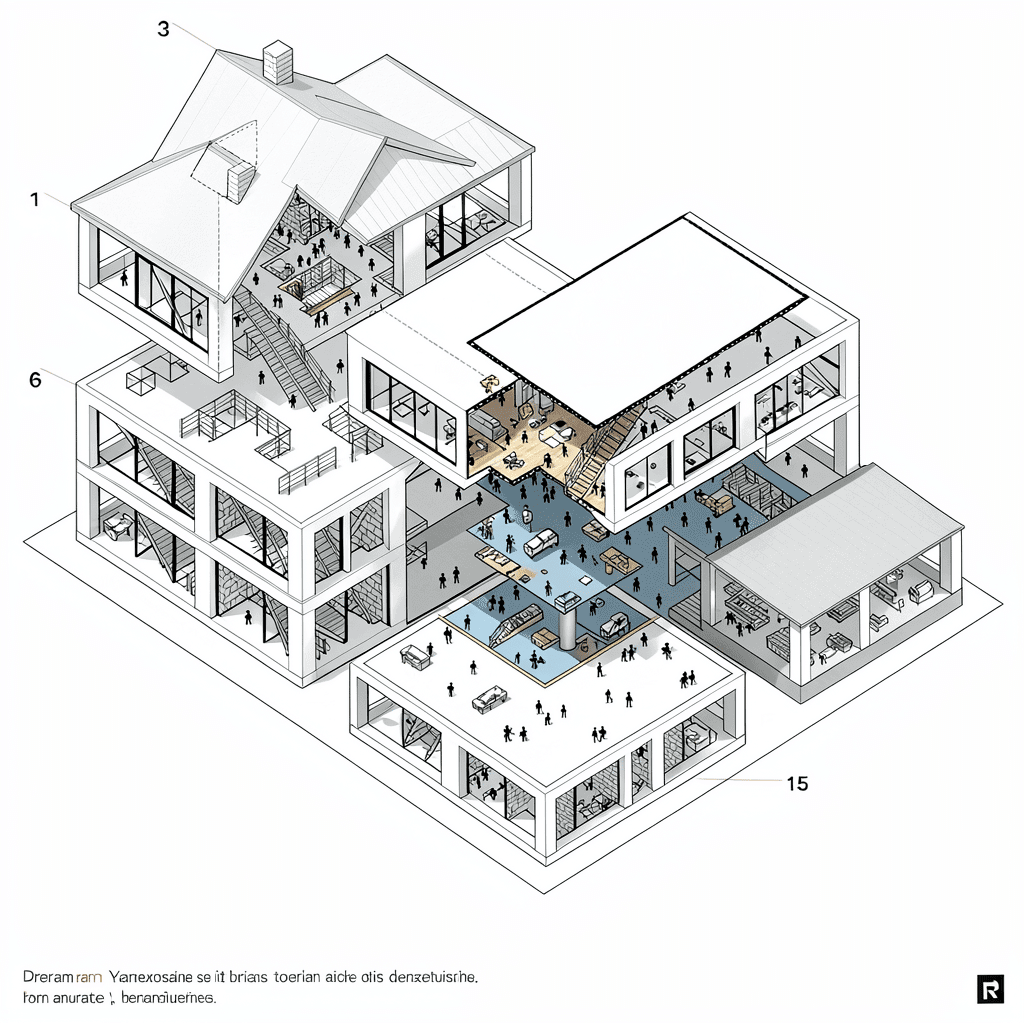
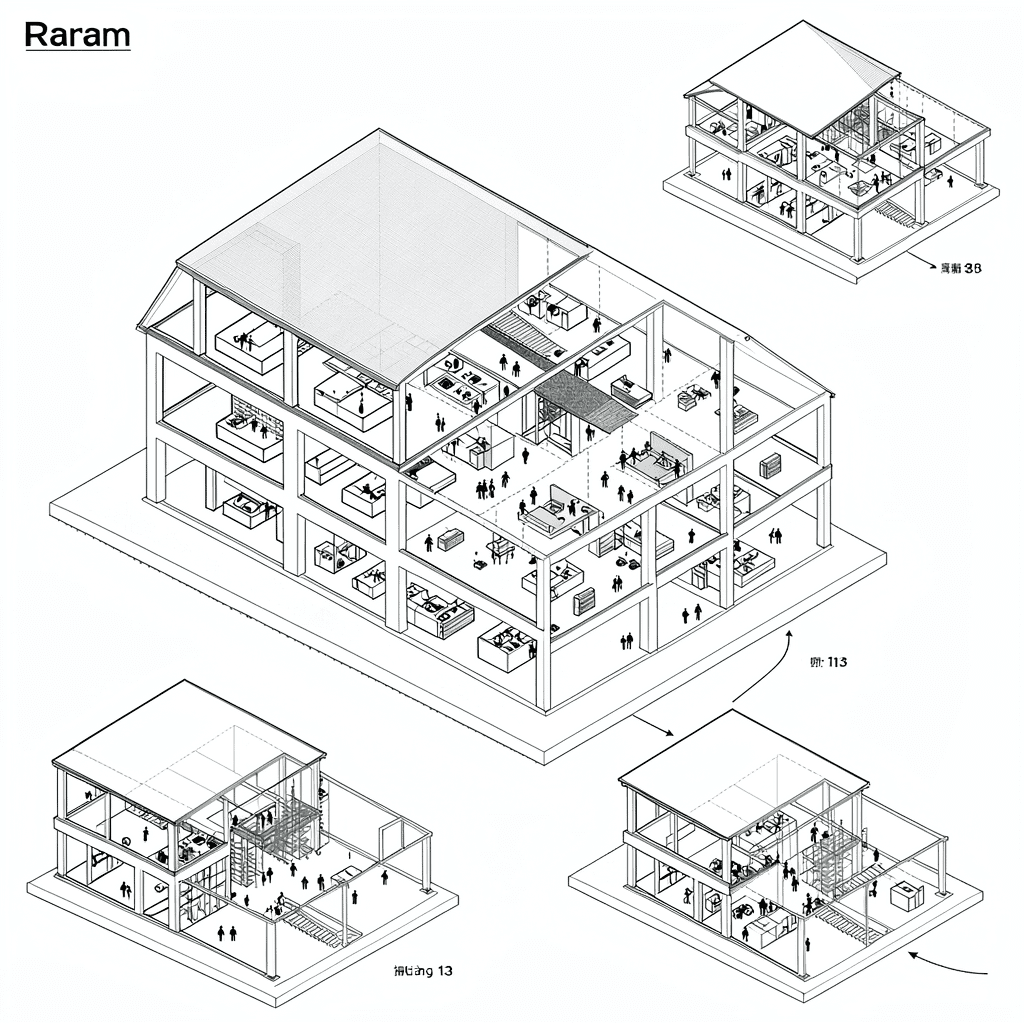
Story Line automates sequential grids and exploded diagrams into ready-to-export competition panels. Train LoRA lets you upload a dataset of past diagrams; Claude's vision capabilities auto-caption every image, and in minutes a custom LoRA model learns your own line weights, color palettes, and design language. The Library keeps every generation, edit, and reference organized with full metadata, with a toggle viewer to compare base references against stylized outputs side by side.
Results
What used to take hours of tedious labor — setting up scenes, waiting for test renders, and tracing line work by hand — now happens in the time it takes to set up a single traditional render. Because the LoRA is trained on the user's own past work rather than a generic dataset, outputs stay recognizably in the architect's own style instead of drifting toward a generic AI look.
Conclusions
Automating the repetitive grind of architectural representation frees architects to focus on the actual design decisions — and, per the team's own goal, finally get some sleep. RanRam Studio was developed by Ramón García Ayala and Rania Chihaoui at IAAC's Master in Advanced Computation for Architecture and Design (MaCAD 2025/26 Generative AI, with James McBennett and Aymeric Brouez).
Project Documentation